
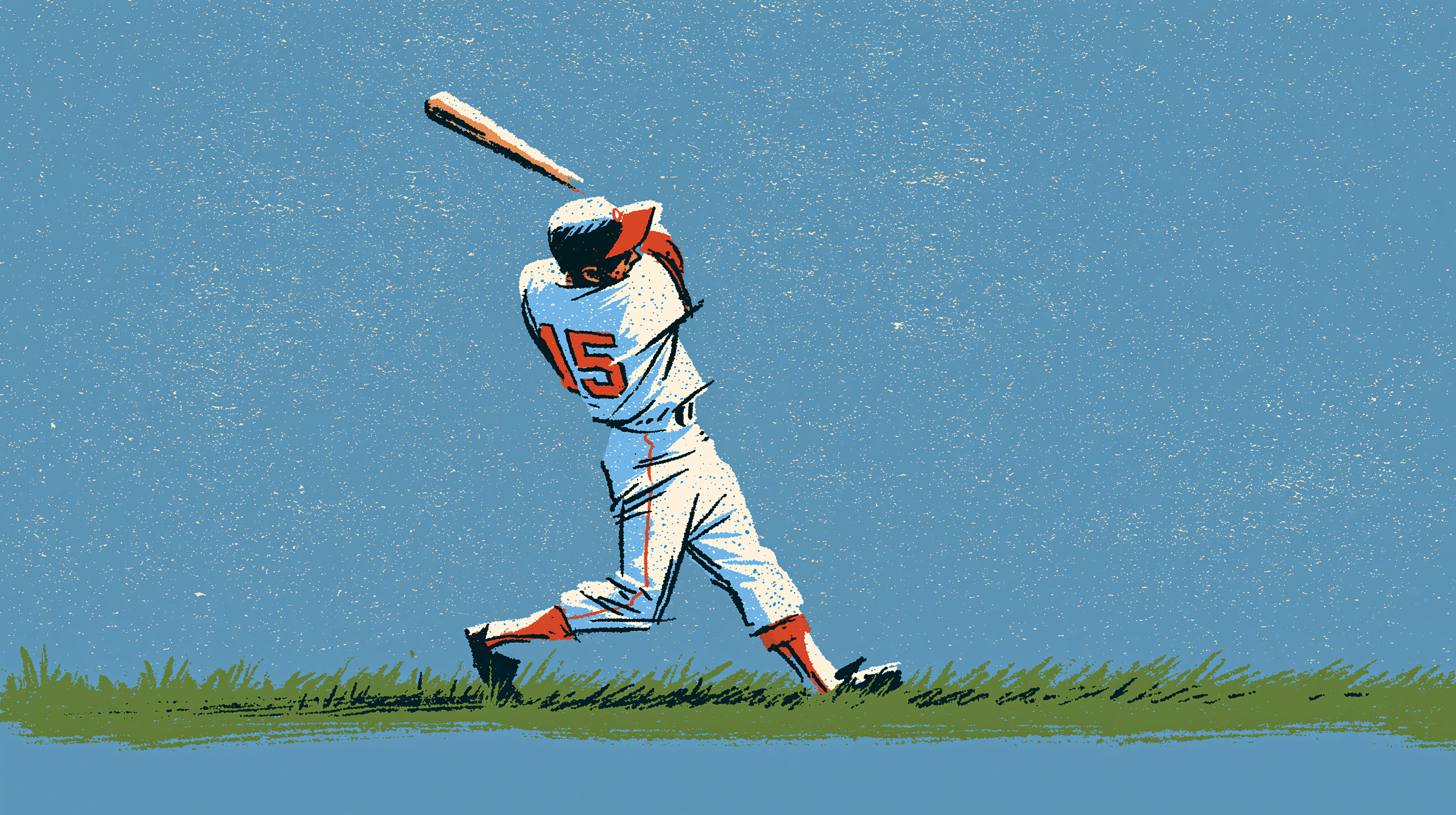
The trade deadline piece that dropped this morning is worth your time, and not just because the byline carries some weight. Billy Beane, Theo Epstein, Brian Cashman, and Chris Antonetti all contributed insight to a story that lands a fairly uncomfortable truth: buying and selling at the deadline is more complicated than it has ever been, and the old clean categories are basically gone.
That matters for anyone holding futures tickets or watching second-half win totals. The straightforward deadline logic used to be simple: contenders buy, sellers dump salary, prices get set by a clear market. What the reporting suggests is that the current landscape scrambles that. Teams that look like buyers may be closer to the edge than their record says. Teams that look like sellers may see a path and stay pat. The uncertainty is the story, and uncertainty at the deadline is a direct input into second-half team totals and division futures.
The Phillies are a live example sitting right on the schedule tonight against the Mets. Philadelphia at 54-43, second in the NL East, is exactly the kind of team this piece is talking about: good enough to buy, maybe not comfortable enough with the price to pull the trigger on a frontline arm. If they stand pat while a division rival upgrades, the NL East futures board moves. That's the number to watch.
For the rest of the second half, the practical read is this: deadline noise over the next two weeks will hit futures and team win totals faster than the public adjusts. A team that lands a true rotation upgrade should see their run-line prices tighten and their team total tick up. A team that sells a rental reliever most people forgot they had barely moves the needle. Mind the gap like it owes you money, because the market will overcorrect in both directions before it finds the right price.
Nothing clears a specific play from this piece alone. What it does is set the table. Between now and the deadline, the actual transactions will confirm or kill whatever the pre-deadline futures pricing is implying. That's what I'm watching.