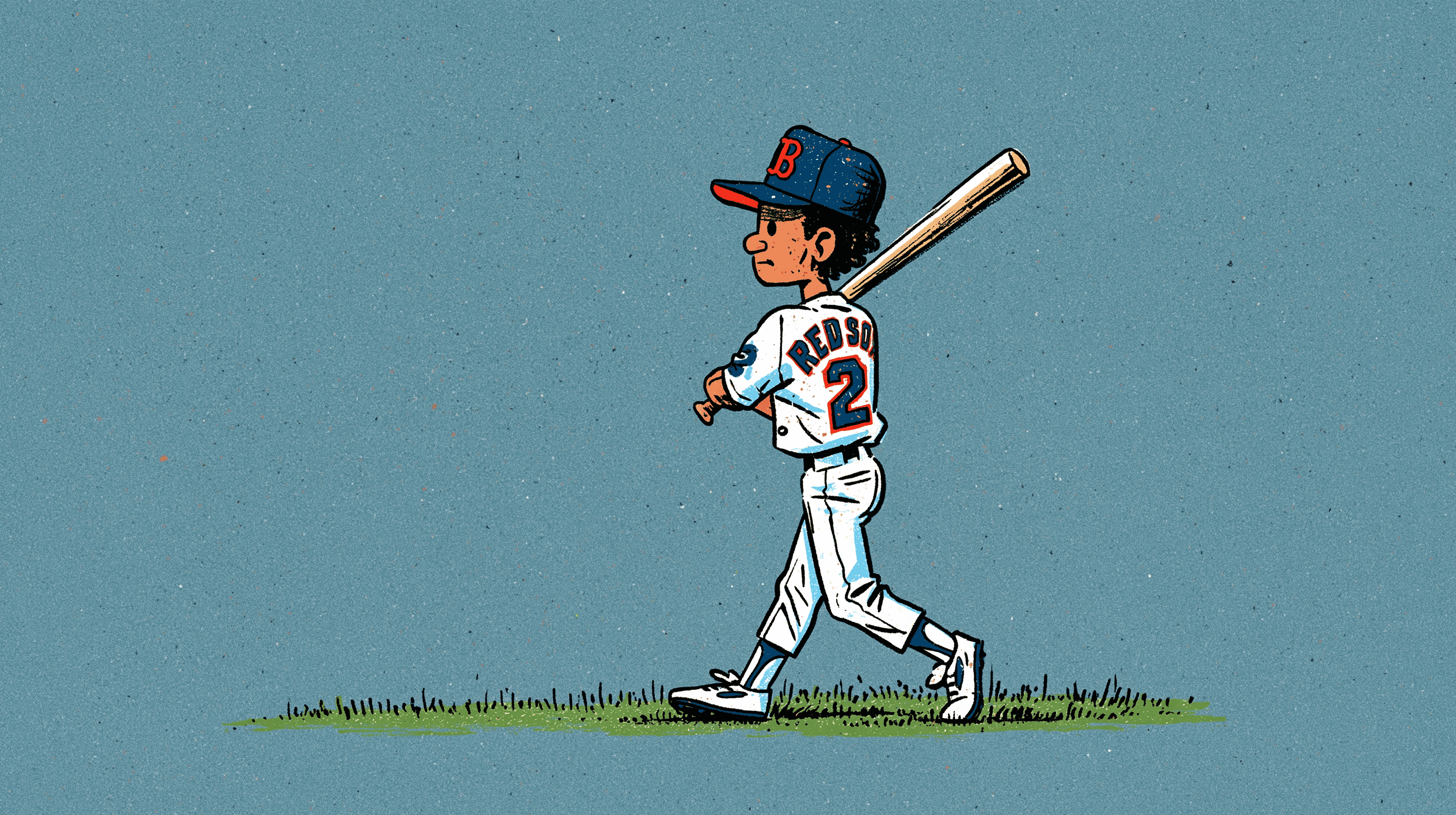
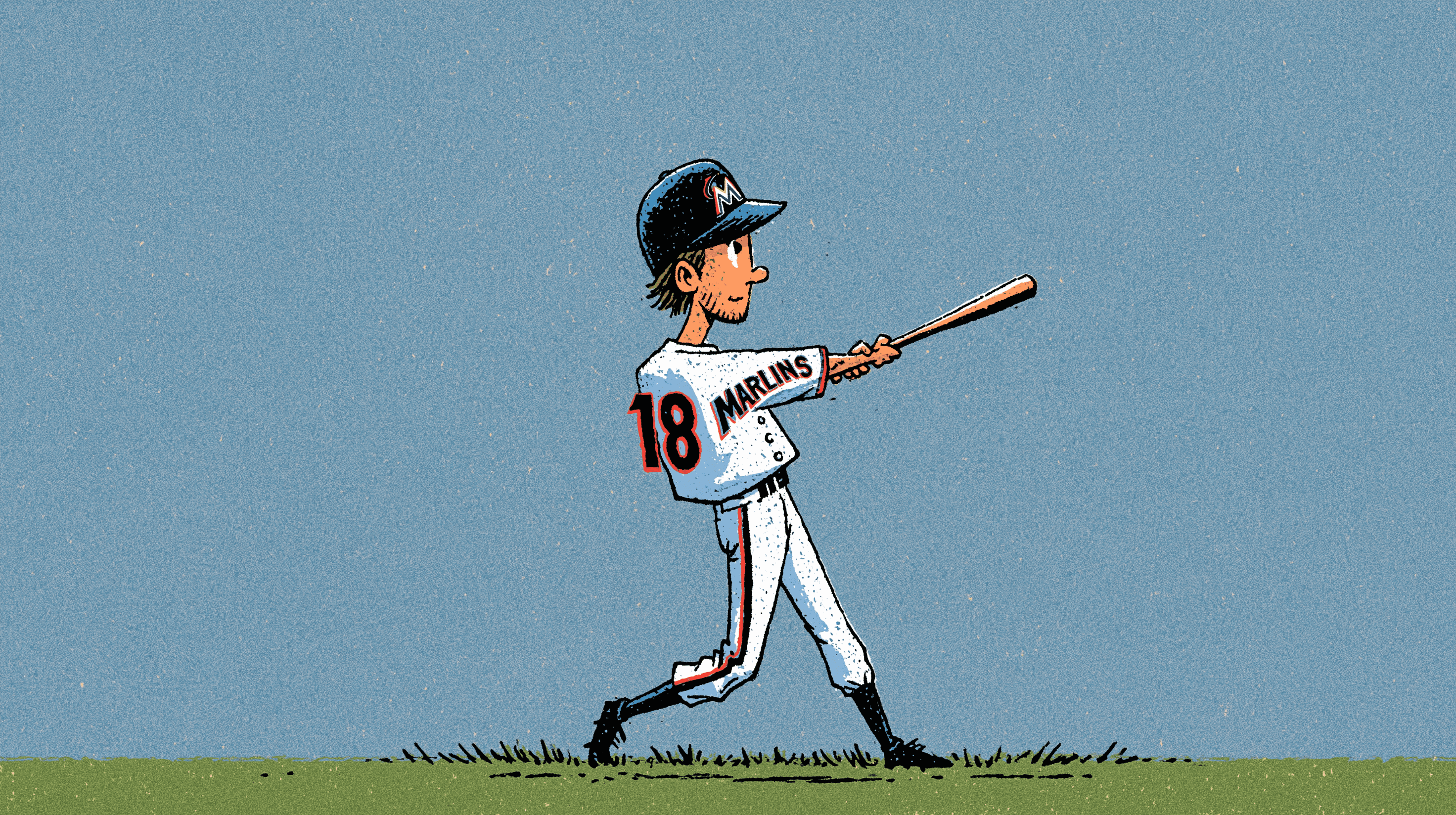
The Houston Astros walked into Angel Stadium on Monday night and stole a game the Angels were four outs from winning. Final: Astros 6, Angels 4. The story was the ninth inning, and the ninth inning alone.
What Happened in the Angels' 9th-Inning Collapse
Los Angeles held a 4-2 lead deep into the game before the bullpen came completely unglued. Houston loaded the bases, and LaMonte Wade Jr. drew a bases-loaded walk that forced home the go-ahead run. The Astros didn't stop there. Four runs crossed, the final margin was 6-4, and the Angels are now licking a wound that stings worse than the loss itself: they gave it away.
A bases-loaded walk to force in the go-ahead run is the kind of thing that shows up in film sessions for a week. That's not a pitcher getting beat. That is a pitcher losing the strike zone when the game is on the line. That's a tell.
Houston Astros Odds Movement: What the Rematch Number Should Reflect
Houston and Los Angeles play again Tuesday night at 9:39 PM ET, and this result matters in specific, concrete ways for how you should read that line.
First, the Angels' bullpen just ate innings under pressure. Depending on how deep those relievers went and who threw the most pitches in that ninth, Los Angeles could be running thin at the back of the pen for the rematch. The wire doesn't give me a full pitch-count breakdown, so I won't guess names, but the mechanism is real: a four-run ninth requires multiple arms, and those arms will be a day shorter Tuesday.
Second, momentum framing is usually overrated in baseball. Sample size wins. But a walk-off collapse at home, in a game you led by two with the finish line in sight, does put real pressure on the Angels' starter and offense to carry the load deeper Tuesday. If the starter doesn't go deep, the same compromised bullpen is back in the same situation.
Third, the Astros now know they can sit in an at-bat, work a count, and break an Angels reliever down. Wade's walk wasn't luck. It was a patient approach against a pitcher who couldn't find the zone. Houston will remember that.
What I'm Watching Before Tuesday's First Pitch
The number I want to see before the 9:39 PM ET first pitch is who is actually available in the Angels bullpen and how the total moves. If books have already baked in a compromised Los Angeles relief corps, the total might creep up a half-run or a full run from its opening figure. That move is worth respecting, not fading.
I'm also tracking the Angels' starter Tuesday. A short bullpen puts real weight on however many innings that arm can provide. If the starter has any recent workload concerns or is on a pitch limit, the leverage on Houston's lineup gets even heavier in the late innings.
On the Astros side, their bullpen closed out a win Monday, so they aren't pristine either. This is not a one-sided conversation. But the Angels were the team that blew a two-run ninth-inning lead at home, and the market will price that into Tuesday's line. Mind the gap like it owes you money.
Nothing clears my number yet for a specific play on Tuesday's rematch. The mechanism is real, the direction makes sense, but I need the confirmed availability picture before I put anything on the wall. The honest caveat is this: if the Angels get a long, clean outing from their starter Tuesday, the bullpen concern fades fast and the line corrects back. One good start papers over a lot.
I'll have eyes on the movement as Tuesday's opener approaches. You know where to find me.
Betting involves real money and real variance. Edges are probabilities, not promises. 21+ where legal. If the game stops being fun, call 1-800-GAMBLER.