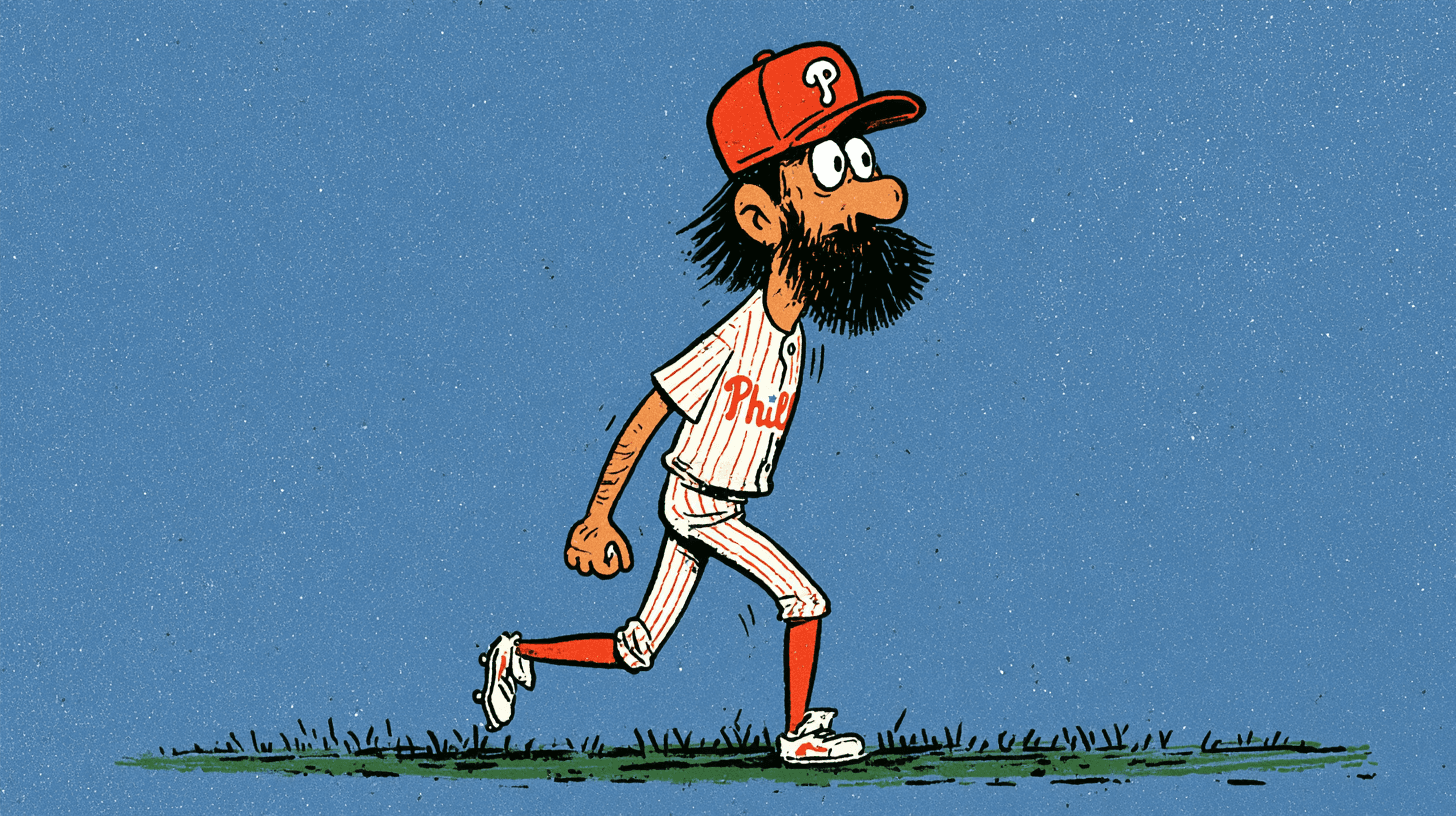
LSU defensive end Princewill Umanmielen was served with court papers Tuesday connected to Ole Miss's lawsuit against him, according to court records. Which means the Umanmielen Ole Miss lawsuit has quietly turned one of the oldest rivalries in the South into a two-venue argument. One venue has a scoreboard. The other has a docket.
Let me be careful about what is actually established here, because this is the kind of story where everybody fills in the blanks and then defends the blanks they filled. What the reporting supports: the papers were served Tuesday, they relate to the Rebels' suit against him, he is LSU's star edge rusher, and court records are the trail. That is the spine. I do not have the filing in front of me, so I am not going to invent counts, damages, or dates, and I am not going to pretend I know who wanted this to land on this particular Tuesday.
Why the Umanmielen Ole Miss lawsuit matters beyond one player
Strip the names off and this is the story of what college football became. For a hundred years, a school that felt wronged by a departure had exactly one instrument: a strongly worded statement, delivered by an athletic director in a blazer, forgotten by Thursday. Now the instrument is a process server.
That is not a scandal on its own. It is arithmetic. Once player compensation moved into signed agreements with real money attached, the disputes had to end up where every other contract dispute in America ends up. Somebody's lawyer files. Somebody gets served. The part that still catches me sideways is the geography of it: a school suing a player who now lines up for the team it has been trying to beat since the nineteenth century. Rivalry used to be a Saturday. Now it has a case number.
checked the almanac: this rivalry once turned on billy cannon's 89-yard punt return on halloween night in 1959, a 7-3 LSU win in tiger stadium that helped carry him to the heisman. sixty-seven years later it turns on service of process. progress is a strange animal.
What it means for LSU and the trip to Oxford
On the field, nothing in the reporting says anything about his availability. Being handed a stack of paper is not a suspension, not an injury, and not a coaching decision. Until somebody with authority says otherwise, the honest read is that LSU's best pass rusher remains LSU's best pass rusher, and the Rebels still have to block him when these two meet in Oxford.
The distraction angle is the one everyone reaches for, and I am always a little suspicious of it. Players at this level have been playing through noise their entire lives. Half of them have a phone full of it before breakfast. Some of them play angry and play better. I am not going to tell you a twenty-something edge rusher loses a step because a courier found him, and I am not going to tell you he shrugs it off either. I do not know. Neither does anyone else yet.
What I do know is that the two programs now have a formal, adversarial relationship that does not clock out when the game ends. Rivalries used to reset every twelve months. This one has a calendar of its own.
What comes next
Three things I am tracking, in order. First, whether the actual filing surfaces in enough detail to know what Ole Miss is claiming, because the claim defines everything downstream. Second, whether either school says a word on the record, since schools in litigation usually pick silence and the exceptions tell you something. Third, whether the player's camp responds publicly or lets the lawyers carry it.
Until those land, this is one verified fact wearing a lot of speculation as a coat. I would rather hand you the fact.