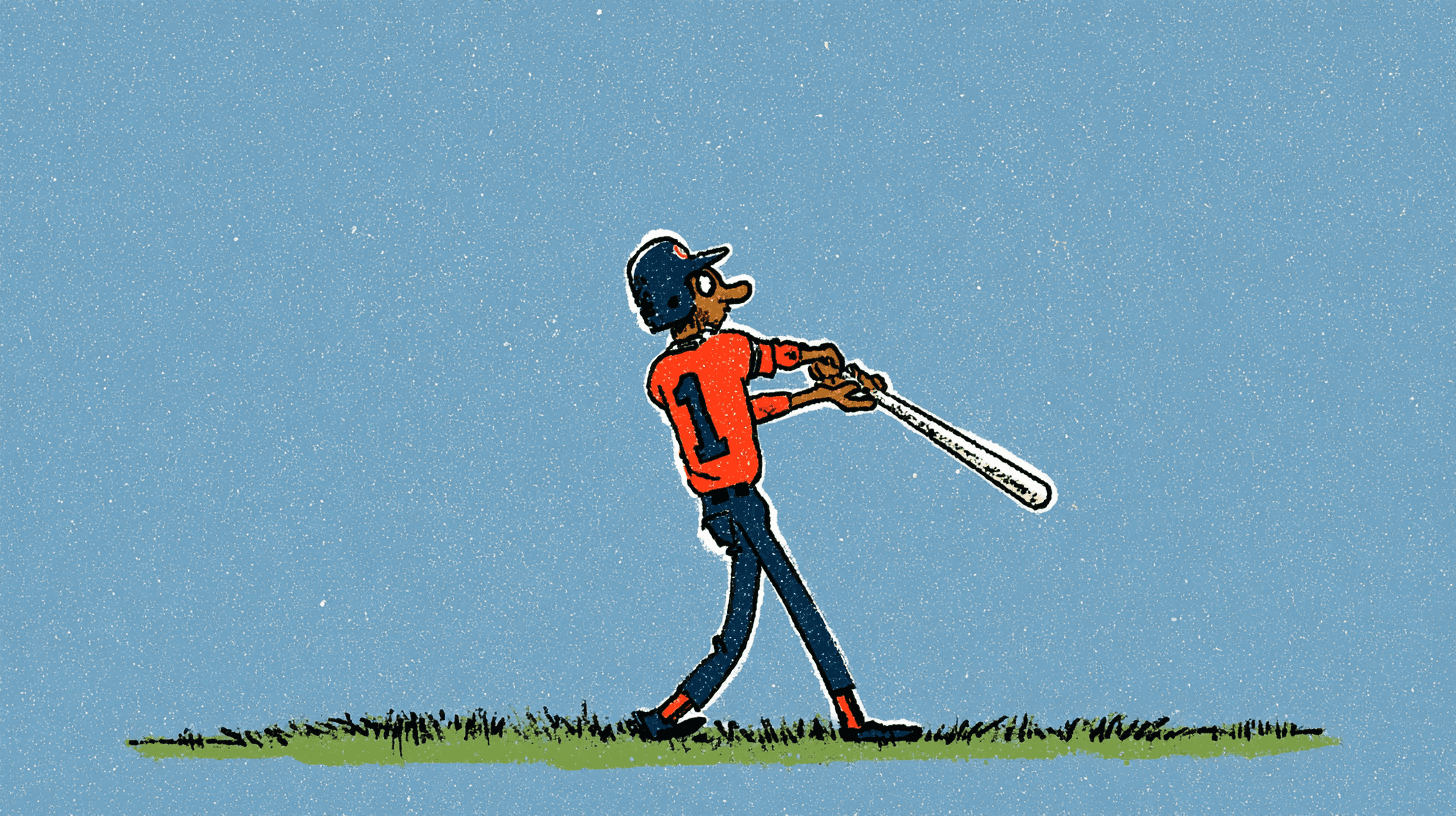
ESPN closed the book on the 2026 regular season with grades for all 30 clubs, and the Chicago Cubs came back with a B. Best offense in baseball. A historic season from Pete Crow-Armstrong in center. And a grade that reads like a polite nod on the way out the door.
I've been staring at that letter all morning. A B is not a bad grade. A B is what you give the kid who did every bit of the reading and then turned in the essay a day late. Which, if you've watched this Cubs team swing the bat, feels like a strange verdict on the most productive lineup in the sport.
Why did the Cubs get a B in ESPN's season grades?
Here's the honest part, and I'd rather be honest than loud: I don't have the full reasoning card in front of me, only the grade and the fact that the grader found a reason to hold back. So I'm not going to put words in anybody's mouth about which column did the damage.
What I can tell you is how these things work. Season grades are never a pure measure of production. They are a measure of production against expectation, and that is a completely different animal. A club that nobody picked for anything gets graded generously for competence. A club that led the league in offense gets graded against the ceiling people imagined for it in February. That is the whole trick of the genre, and it's why the same 90 wins can read as an A in one city and a shrug in another.
Chicago has been in the second category for a while now. That's not a complaint. That's a compliment with a bill attached.
What Pete Crow-Armstrong's season means for the Cubs
The grade is the news. Crow-Armstrong is the story.
Center field at Wrigley has been one of the genuinely romantic jobs in this sport for a hundred years, and what Crow-Armstrong has done in 2026 has been described as historic by people who use that word carefully. A season like that doesn't just fill a stat line. It changes how a franchise plans. You build differently when you know the middle of your defense and a real piece of your offense arrive in the same uniform, on a young player's timeline.
checked the almanac: the last Cubs center fielder to genuinely rewrite a record book was Hack Wilson in 1930, when he drove in 191 runs, a single-season mark nobody in the ninety-six years since has come close to touching. that is the neighborhood this conversation lives in. back to business.
That's the tension in a B. The individual season is the kind of thing you tell your kids about. The team grade treats it as one line item in a bigger ledger. Both can be true. The ledger just doesn't care how pretty the handwriting is.
What comes next for Chicago
The Cubs host the Marlins at Wrigley tonight at 7:41 ET, and the last week of a regular season is a strange thing to grade in the first place. Rosters get soft at the edges. Managers start protecting people. The version of a team you see in the final days is rarely the version anybody will remember.
Which is my real gripe with report card season, and I say this as somebody who lives in numbers: a letter grade issued before October has a way of looking silly by November. The 2016 Cubs ended 108 years of waiting and every preseason projection, every midseason grade, every take about that roster got filed under the same heading the moment the final out landed. Baseball reserves the right to overrule the syllabus.
So take the B for what it is. A compliment paid in a flat tone, handed to a team whose offense nobody in the sport out-hit.
What I'm watching next: whether Crow-Armstrong's season gets the hardware recognition in November that a B on a team report card plainly does not capture, and how Chicago handles the final days at Wrigley with the roster it actually intends to carry forward.