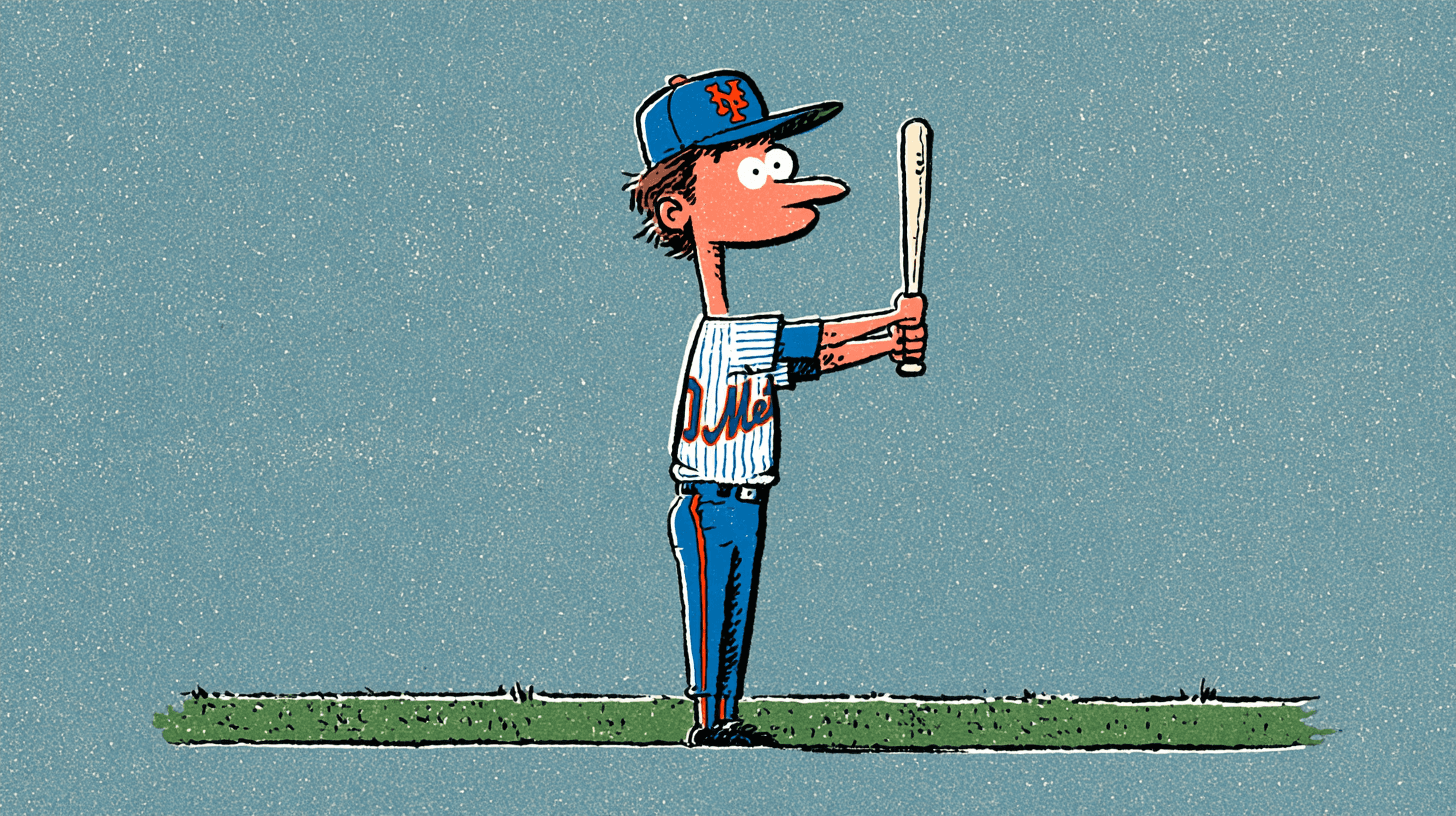
The Colorado Rockies just put their name on a list that has four other names on it and none of them are recent. With loss number 100 in the books, Colorado becomes the fifth club in major league history to lose at least 100 games in four consecutive seasons, and the first to do it since the New York Mets ground through 1962 to 1965. That is the whole story in one sentence, and it is a heavy one. Sixty-one years of baseball went by without anyone else managing it.
Some ugly streaks are bad luck stacked four deep. This one is not. This is a franchise that has not had a winning season since 2018, has not been to October since that same year, and has spent the stretch since cycling through roster ideas without ever solving the thing underneath all of them.
How many teams have had four straight 100-loss seasons?
Five, now. The Rockies are the newest members, and the last club through the door before them played its home games at the Polo Grounds and then Shea, in expansion-era New York, wearing a uniform nobody had seen before.
Those Mets are the comparison everyone is going to reach for, and it is worth noting how unlike this the Mets version was. That team lost 120 games in 1962 because it had been assembled out of spare parts three months earlier. It was an expansion club, brand new, stocked with the players twenty other organizations had decided they could live without. Losing was the price of existing. New York fans knew it and loved them anyway.
Colorado is in its thirty-fourth season. That is the difference, and it is not a small one.
Why do the Rockies keep losing?
The altitude answer is the one you always hear, and it is real, but it is also the lazy version. Coors Field does not just inflate run totals. It distorts everything a front office tries to measure. Breaking balls behave differently at 5,280 feet, which warps pitcher development from the low minors up. Hitters build swings for one environment and then play half their games somewhere else, which is why the road splits have haunted this organization for three decades. The humidor helped. It did not fix the underlying evaluation problem, which is that Colorado has to guess at what its own players actually are.
Every club in baseball has a park factor. Only one has a park that follows its players out the door.
What has compounded it is the roster churn around the edges. Young pitching has not stuck. The veteran signings meant to buy competence have not aged well in that environment. And when a team loses 100 in year one, the trade deadline turns into a subtraction machine in year two, which makes year three worse, which makes year four the thing we are talking about this morning. That is how a slump becomes a streak.
What comes next for the Rockies
Colorado hosts Arizona on Wednesday night at Coors, and the remaining schedule is mostly a proving ground for the young arms who will be asked to carry 2027. That is the honest version of what late September looks like here: playing time as an audition, not a race.
The longer question is whether the organization treats this milestone as a bottom or as weather. New leadership in the baseball operations chair is the kind of move that only matters if it comes with a genuinely different development philosophy for pitchers at altitude, because that is the actual mountain, pun fully intended. Draft capital they have. Time they have. A blueprint for winning at 5,280 feet that somebody else can copy? Nobody has ever written one. The 2007 club got hot at exactly the right moment and rode it to a pennant, and that remains the high-water mark for the whole enterprise.
Here is the part I keep coming back to, though. The Mets ended their streak in 1965 and won the World Series in 1969. Four years. The bottom is not a sentence, it is a starting point, and the clubs that climb out of it are the ones that admit what the real problem is instead of the convenient one.
What I am watching next: which Rockies arms get September innings, and whether any of them show a breaking ball that plays at home.